
Poles like to party
In the Catholic world, Carnival is a period of balls and parties whichbegins on the Epiphany (on the 6 th of January) and ends on Tuesday beforeShrove Tuesday -forty days before Easter.In the old days, Carnival in Poland was called “zapusty” and wascelebrated very sumptuously together wiith family, friends and neighbours. Themain attraction would have [...]
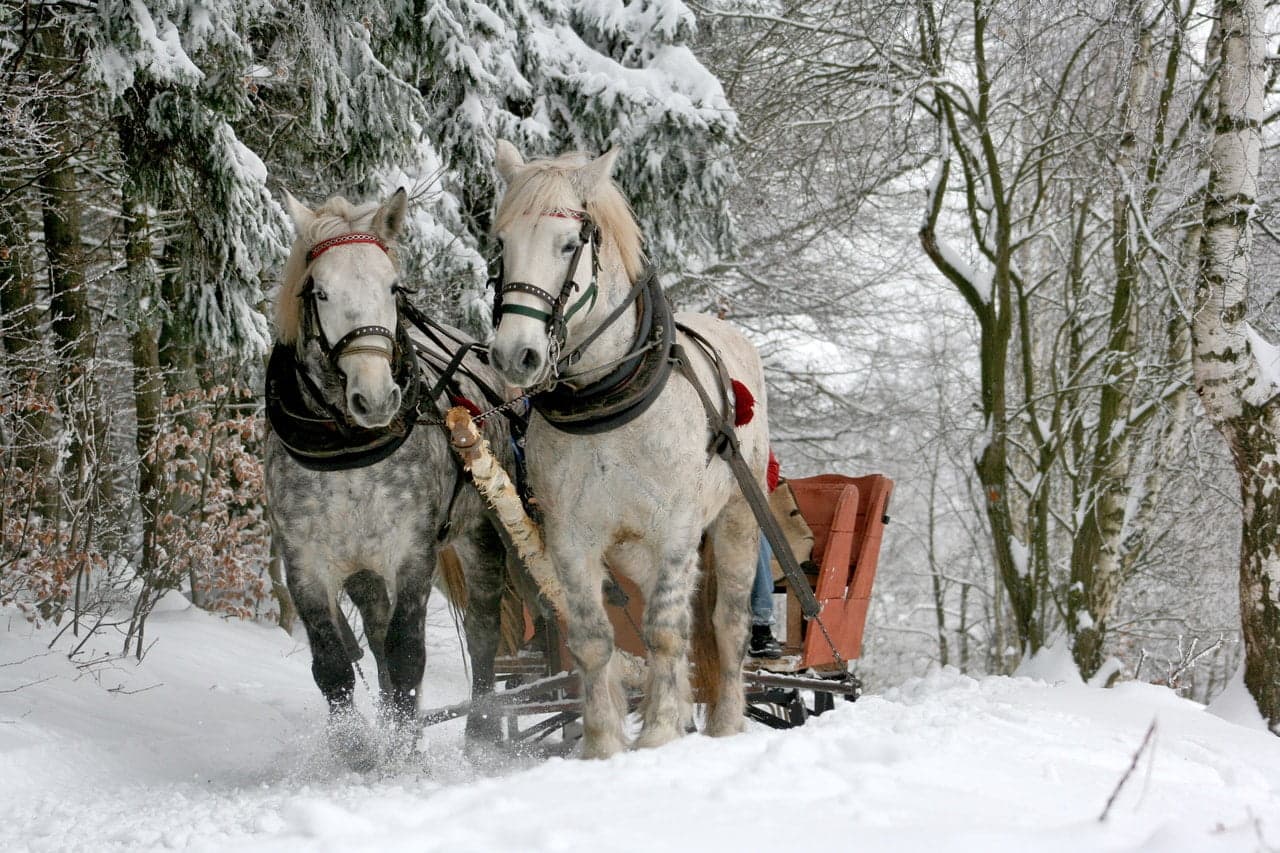
In the Catholic world, Carnival is a period of balls and parties whichbegins on the Epiphany (on the 6 th of January) and ends on Tuesday beforeShrove Tuesday -forty days before Easter.In the old days, Carnival in Poland was called “zapusty” and wascelebrated very sumptuously together wiith family, friends and neighbours. Themain attraction would have been balls organised in aristocratic mansions whichwere acompanied by other activities like sleigh ride cavalcads or bonfires in thefrosty air. Food used to be abundant and greasy, consisting of sausages, roastedvenison, mutton and many other tasty dishes. Nowadays, Carnival is celebratedmainly by young people in discotheques, clubs and at home parties. The cuisinehas become much lighter than before and even though Poles still like to drinkvodka and beer, wine is becoming more and more popular. Of courseeverything depends on the crowd and the occasion. For example, we can alwayssee vodka shots at weddings or other big family celebrations.Polish people like parties very much, so for sure you will have a lot ofopportunities to observe how people entertain. Let’s imagine that you are invitedfor a party to somebody’s place. The host is welcoming you at the door and youshould say: “Dzień dobry”[djen do-bri] (good afternoon), “Cześć”[cheshch](hi) or “Dobry wieczór”[do-bri vye-choor].A useful phrase and easy to pronounce for wishing somebody somethingfor New Year, birthday, nameday or wedding is: “Wszystkiego dobrego”[vshist-kye-go dob-re-go] (all the best, all good for you).Drinking gives us a chance to propose toasts and Poles are normally veryinventive. The most universal and popular toasts are “ Na zdrowie” na zdro- vye or “Za nas” (For us). If you don’t want to drink or you are unableto drink, you can use phrases: “Nie piję alkoholu” [nye pee-ye al-ko-ho-loo] (Idon’t drink alcohol) or “Jestem kierowcą” [yestem kye-rof-cow] (I’am driving). You can aslo announce “Mam drinka” (I have a drink) or you can say veryhonestly “Mam słabą głowę”[mam swa-bow guove] (I have a weak headmeaning I don’t tolerate alcohol well) or simply “Nie, dziekuję” [nye, djen-koo-ye], (no, thanks) should work as well. If you agree to refill your glass, you justuse body language or say: ‘Tak, proszę” [tak, pro-she] (yes, please).Another thing which you should know is that Poles like to dance. Verypopular nowadays are dance courses and programs about dancing, we dance indiscos, clubs, house parties, even if our dance style is not very sophisticated, wetry to dance. So if you want to join the group of dancers, you will have noproblem. But when you want to dance with a woman or man one to one, a veryhelpful would be: “ Czy chcesz zatańczyć?” [chi htzesh za-tan-chich?] (Do youwant to dance?). We assume that the answer is “Tak” (Yes). So now you can tryto make simple conversation in Polish using sentences like:“Jak się nazywasz?” [yak she na-zi-vash] (What’s your name/surname)“ Nazywam się …”[na-zi-vam she…] (My name/surname is…)
„Na imię mi…”[na ee-mye mee…], (My first name is…)„ Miło mi” [mee-wo mee] (Nice to meet you)“Skąd jesteś?”[skond yes-tesh?] (Where are you from?). „Jestem z…”[yestem z…] (I’m from…)In case you have any problems in following conversation in Polish or you don’tunderstand everything properly, use these phrases:“Słucham?” [swoo-ham?] (beg your pardon?)“Nie rozumiem”[nye ro-zoo-myem”] (I don’t understand)“Nie mówię po polsku” [nye moo-vye po pol-skoo] (I don’t speak Polish)„Czy mówisz po angielsku?”[chi moo-veesh pa an-gyel-skoo?] (Do you speakEnglish?)You can be sure that your plate and glass will be not empty during thewhole party. As it’s Carnival time, it’s hard not to overindulge. So specialistsusually give the following advice: before drinking, eat something greasy, don’tmix your drinks, try not smoke while drinking, take a good rest before a party,allow 20 minutes to refill your glass, avoid drinks with gas and try to drink a lotof water (ideally with lemon juice) !You will need to know how to say: “Czyjest woda?” [chi yest vo-da?] (Is there any water?)“ Poproszę kawę ”[po-pro-she ka-ve] (May I have a coffee please?)“ Poproszę herbatę”[po-pro-she her-ba-te] (May I have a tee please?)Before going home it would be great to say something nice to the hosts,like:“ Dobrze się bawiłem (form for man) /bawiłam (form for woman)” [dob-zheshe ba-vee-wem/ba-vee-wam] (I’ve had a great time)or „Dziękuję za wszystko” [djen-koo-ye za vshist-ko] (Thanks for everything),“Kolacja byla doskonała” [ko-lats-ya bi-wa dos-ko-na-wa] (The dinner wasdelicious) and for the end: “Do zobaczenia”[ do zo-ba-che-nya] ( see you later) ,“Do widzenia” do vee-dze-nya or “ Do jutra”[do yoo-tra] ( seeyou tomorrow).I hope you will enjoy your parties in January…All the best in 2013!
This article was published in “The Wrocław International”- Wrocław’s firstEnglish-language newspaper, January 2011, Issue 3, ISSN 2082-730X