
Christmas dictionary
Christmas (Boże Narodzenie) is the most important celebration inPoland, similar to the rest of Europe and America. In Poland we have acombination of old pagan traditions and religion ones. Most of the traditionsare related to the day 24 th of December called “Wigilia” - Christmas Eve andChristmas Eve Supper. Even if you are not spending [...]
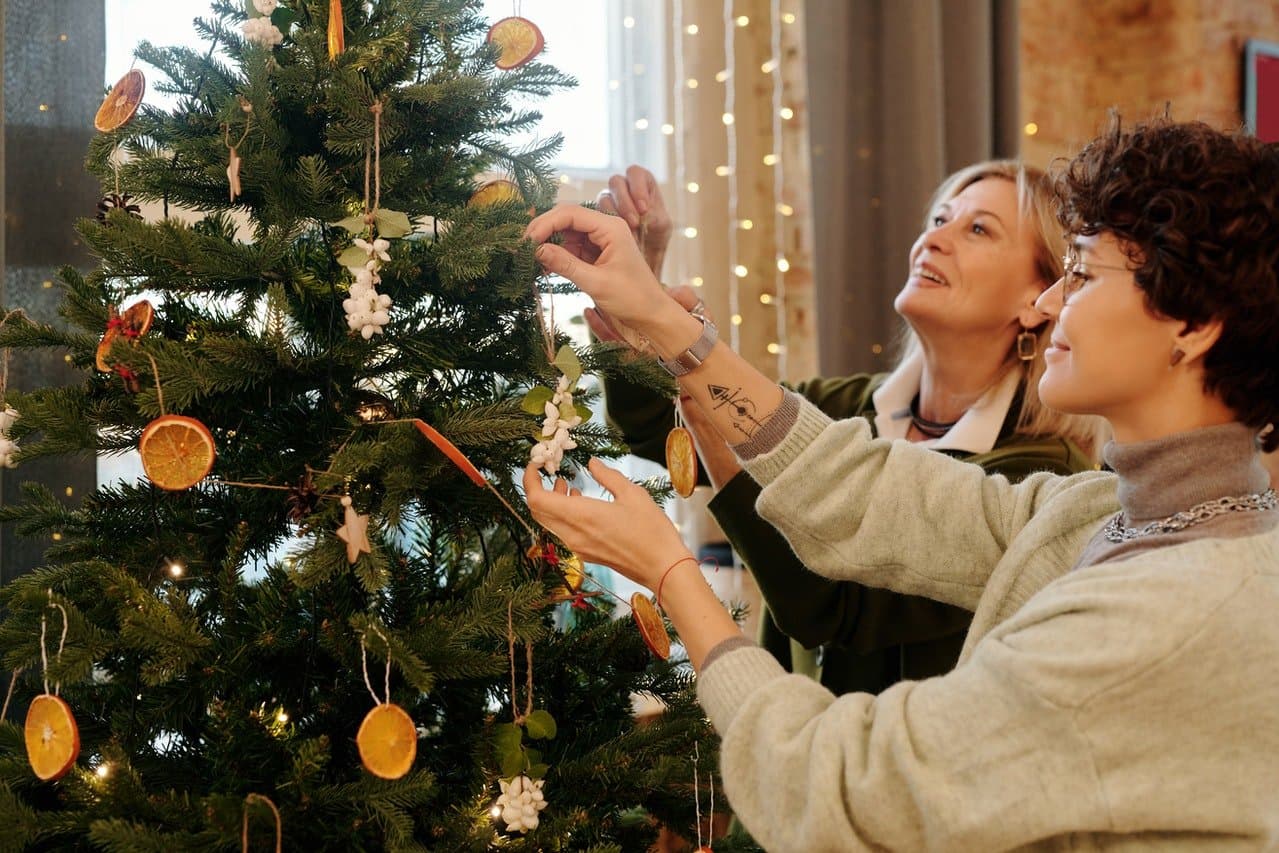
Christmas (Boże Narodzenie) is the most important celebration inPoland, similar to the rest of Europe and America. In Poland we have acombination of old pagan traditions and religion ones. Most of the traditionsare related to the day 24 th of December called “Wigilia” - Christmas Eve andChristmas Eve Supper. Even if you are not spending Christmas in Poland, it willbe nice to know some Christmas vocabulary just in case.According to the tradition on the 24 th of December people shoulddecorate Christmas tree called a “choinka”. Nowadays, Christmas trees aredone much earlier. “Choinka” can be artificial or live trees called “świerk”(spruce), “sosna” (pine-tree) or “jodła” (fir-tree). A coniferous tree is a symbolof life and coming back to life, fertility and lasting. The tradition of havingChristmas tree came to Poland from Germany in the 18th/19th century. Invillages, the father of the family went to the forest on the 24 th of December to“steal” the tree from another world (the forest had a symbolic meaning ofanother magic world) and bring it home for good luck.Every element of Christmas tree decorations have a special meaning.We put many ornaments of different shapes on the Christmas tree, forexample balls (bombki). “Gwiazda Betlejemska “ (Bethlehem star) is put on thetop of the tree in order to help the people coming back home from miles away.“Światła” (lights) on the tree protect a home against bad forces and turn awaybad wishes. “Jabłka” (apples) hang on the branches of a Christmas tree are asymbol of fruit from heaven and would assure health and beauty. “Orzechy”(nuts) on the Christmas tree are a symbol of strength and prosperity.“Papierowe łańcuchy” (paper chains) on the tree protect a home fromproblems and symbolize close family relationships. “Dzwonki” (Bells) representgood news and happy moments in life. “Anioły” and “aniołki” (angels) shouldtake care of home and family members. So, as you see, every single thingmeans something because for this magic family time, people were trying tocast a spell on reality and keep all the bad forces far far away… Decorating theChristmas tree is also a lot of fun, especially for children. From the momentwhen all the lights – sometimes tons of lights- turn on, the magic isautomatically on!
Below the Christmas tree we put Christmas gifts (Prezenty) brought byŚwięty Mikołaj (Santa Claus) or Angel (Anioł) or Star (Gwiazdka), depending onthe region. Święty Mikołaj (Santa Claus) is very busy in Poland because beforeChristmas, he is brings presents for the children on his name-day, the 6 th ofDecember. In many places, he must come and work again on Christmas…He isthe busiest Saint in Poland!!Below the Christmas tree we can find also Christmas nativity scenes(szopka) with figures of Joseph, Maria, baby Jesus, shepherds (Pasterze), ThreeWise Men (Trzej Królowie) and animals (zwierzęta)like sheep (owce), camels(wielbłąd), elephant (słoń) and farm animals. After Christmas Eve supper andsharing the Host (opłatek) and all those good wishes (życzenia) all themembers of family used to sing “ kolędy” (carols) around the Christmas tree.And you must know that we have in Poland the most beautiful, oldest andmost melancholic carols in the world.The biggest difference regarding the Christmas tree in Poland is thatsome of them are left standing until February 2th, which is the feast of SaintMary of the Candle of Lightening in Catholic Church… I believe it’s a bit exoticfor foreigners to see Christmas trees left up for so long…
This article was published in “The Wrocław International”- Wrocław’s firstEnglish-language newspaper, December 2011, Issue 15, ISSN 2082-730X