
"All you need is a woman"
In Polish the word “kobieta” is used to describe an adult person of the femalegender. The corresponding adjective is “ kobiecy” for female or feminine, like inexpressions “Łzy - broń kobieca” (Tears - feminine weapon) or “kobieca ręka”(woman’s hand - synonym of care, attention).Luckily you have a variety of choices to best describe a girl [...]
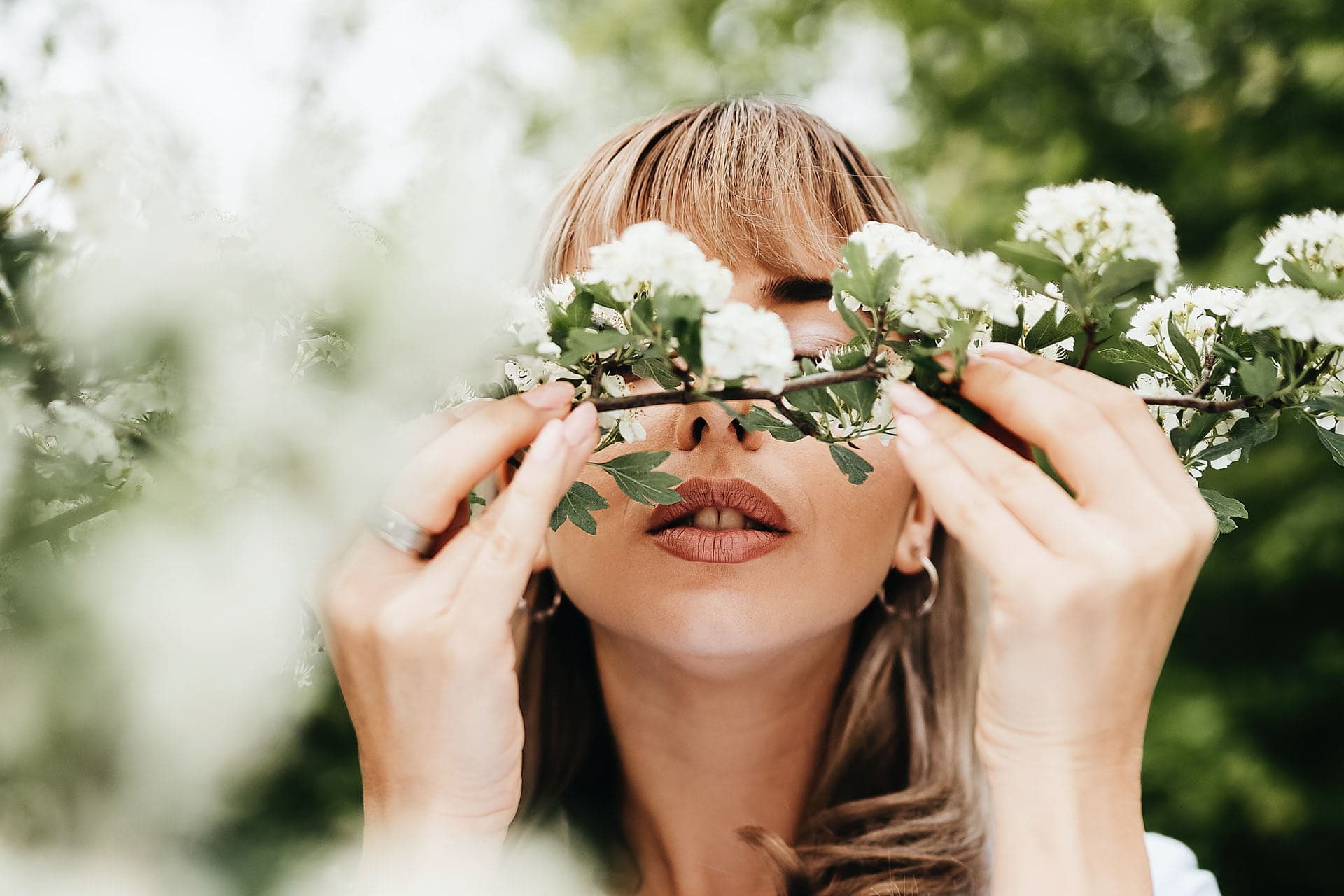
In Polish the word “kobieta” is used to describe an adult person of the femalegender. The corresponding adjective is “ kobiecy” for female or feminine, like inexpressions “Łzy - broń kobieca” (Tears - feminine weapon) or “kobieca ręka”(woman’s hand - synonym of care, attention).Luckily you have a variety of choices to best describe a girl or woman you maybe acquainted with. We use the word “dziewczyna” to talk about young, un-married girl or a girlfriend. For a little girl the word “dziewczynka” or diminutive“dziewczyneczka” is used or a little bit archaic “dziewczątko”. To describe apretty young girl we use the metaphor, „dziewczyna jak złoto” (girl like gold).Similar methaphors are: for a girl with agility, shapeliness, deftness we use“dziewczyna jak topola” (girl like a poplar tree), “dziewczyna jak łania” (girl likea doe), “dziewczyna jak świeca” (girl like a candle), but to express goodness,kindness, innocence and purity of girls we say “dziewczyna jak anioł” (girl likean angel). The word “dziewczyna” has a positive connotation in Polish.To describe a married woman the word “żona” (wife) is used, for example:“Dobra żona to skarb.” (Good wife is a treasure), “Dobra żona to męża korona.”(Good wife is a husband’s crown).During the 15 th Century and the beginning of courtly culture in Poland westarted to use nouns “pan” for a dignitary of high rank, “panna” for daughterof dignitary of high rank and “pani” for the wife of dignitary of high rank.Nowadays “pani” is used in formal language and means Miss (e.g. PaniKowalska), Mrs (e.g. Pani Nowak), Madam, mistress (“pani domu”), “you”formally (e.g. in expression “Proszę Pani!”). It is impossible to recognizewhether a woman is married or not, because formally we call all the women“pani”! In contemporary Polish the noun “panna” is used in formal documentsmeaning marital status - an unmarried woman and in expressions “pannamłoda” - bride, “Święta Panna” is a Virgin, “Panna” refers to Virgo in thehoroscope and “stara panna” is an old maid or spinster.From the XVII century, Polish inherited the noun “dama” (from French).Nowadays “dama” expresses respect, sometimes aristocratic origin, tact and
good taste. For example “prawdziwa dama” (authentic lady), “wytworna dama”(ladylike), “sędziwa dama” (aged lady).The most controversial and interesting noun with unclear etymology is “baba”which signifies an old woman, ugly, a big older woman, countrywoman or isused to talk contemptuously about woman in general. Woman who talk toomuch without sense or are curious and interfering can be called “baba”. As in“Miele językiem jak baba”. (Somebody is prattle, babble like a woman.), “ciekawy jak baba” (somebody curious like a woman), “Herod - baba” (active,despotic woman). One of the popular proverbs: “ Gdzie diabeł nie może, tambabę pośle.” (When devil can’t fix something, he used to delegate woman.) isuses to talk about woman who is canny, clever and effective.Using the words “baba”, “babka” (diminutive), ‘babeczka” (diminutive) is veryconfusing because “baba” is also the name of Polish popular cake which lookslike volcano. But expressions “ babka”, “babeczka”, “kobietka” mean anattractive, charming nice woman who maybe likes to flirt but if theseexpressions are used, it means we like the woman.This is also difficult to mix it with nouns “babcia” (grandmother).As you see talking about woman is bringing out some radical, extremeemotions.Analyzing the language metaphors, a woman can be strong, fighting for herrights (“silna, walcząca o swoje prawa”) or the weaker sex (“słaba płeć”).Woman is a hunter (“łowca”) who has a secret weapon or has seductive eyes(“uwodzicielskie oczy”). A woman is also a prisoner, a slave of her beauty(“niewolnica urody”) . A woman is a fruit which can be fresh (“świeża”), mature(“dojrzała”), who is blooming (“rozkwita”) , lost her blossom (“przekwita”),wither (“usycha”) or vegetative (“wegetuje”) . A woman is a Quinn (“królowa”),adored by men (“adorowana”), is miraculous creature performing magic(“czaruje”) or stealing the show (“przyciąga całą uwagę”) …All we need is woman? Share the opinion with me! In Polish!
This article was published in “The Wrocław International”- Wrocław’s firstEnglish-language newspaper, March 2012, Issue 17, ISSN 2082-730X